Iran is facing multiple overlapping crises in early 2026, combining domestic unrest, economic collapse, military confrontation, and a rapidly escalating regional conflict. These crises are interconnected and have pushed the country into one of its most volatile periods in decades
Political crisis and leadership instability
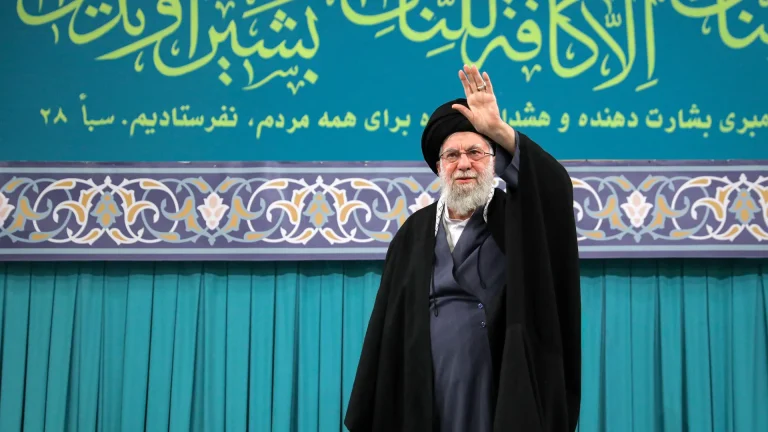
Iran’s leadership is under intense pressure as senior officials hold emergency sessions to maintain constitutional continuity. Security forces have increased their presence around key institutions, signalling concern about internal stability. This leadership crisis has become a defining political development of the year, shaping both domestic and regional dynamics
Military confrontation with the U.S. and Israel
The situation has escalated into open military conflict. The United States and Israel launched large-scale strikes on Iranian targets after Iran refused to scale back its nuclear program. Iran responded with missile and drone attacks on U.S. bases and Israeli cities. This confrontation has resulted in casualties, including U.S. service members, and has pushed global alert levels higher.
Rising risk of wider regional war
Tensions have pushed the U.S. military alert level toward DEFCON 3, indicating significant concern about the possibility of broader conflict. Analysts warn that the region is only a few steps away from a potential all‑out war if diplomatic efforts fail.
Economic and energy-market shock
The collapse of nuclear negotiations and the threat of further military action have sent global oil markets into turmoil. Brent crude has surged above $72.50 per barrel, and WTI has climbed past $67, reflecting fears of supply disruption in the Persian Gulf. This volatility adds pressure to Iran’s already fragile economy
Domestic unrest and social crisis
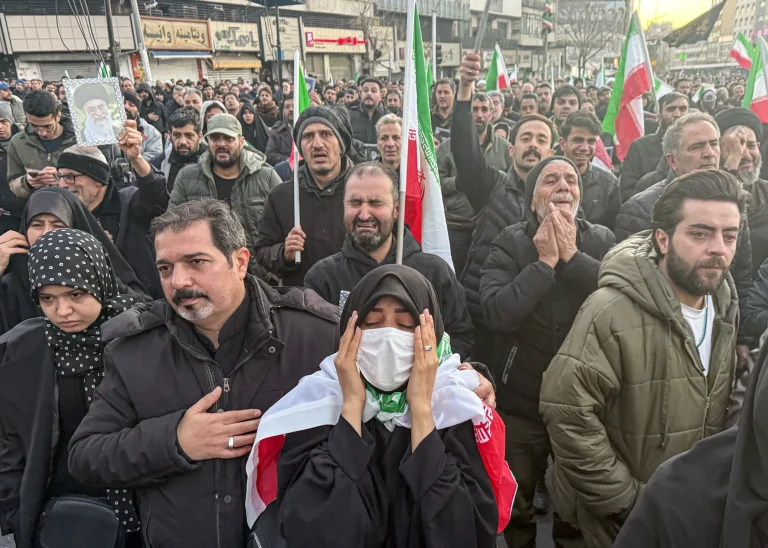
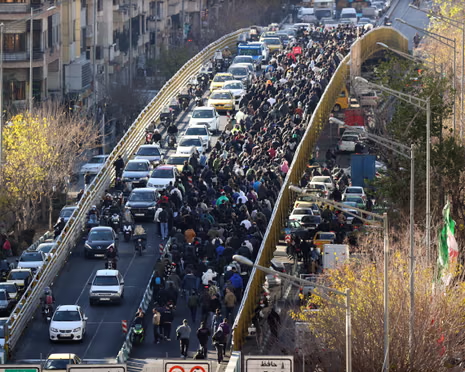
Inside Iran, widespread protests erupted in late 2025 due to severe economic hardship. Inflation soared, food prices spiked, and the rial continued to lose value. The government responded with force, intensifying public anger and deepening the legitimacy crisis. These internal pressures compound the external military and diplomatic crises.
How these crises connect
- Domestic instability weakens Iran’s ability to manage external threats.
- Military escalation worsens economic conditions and fuels public unrest.
- Economic collapse increases pressure on leadership and intensifies protests.
- Regional tensions raise the risk of miscalculation and broader conflict.
About the Author