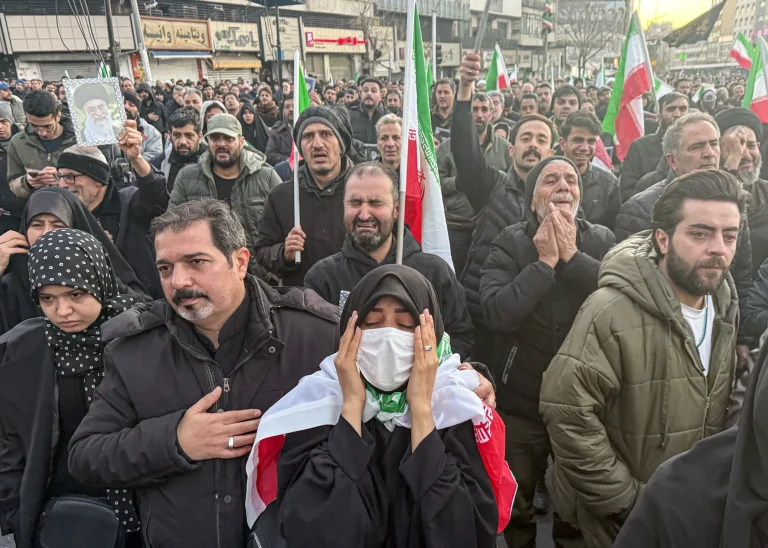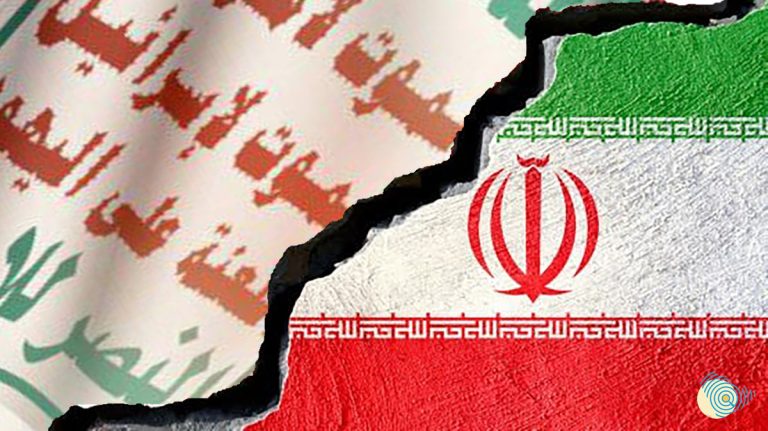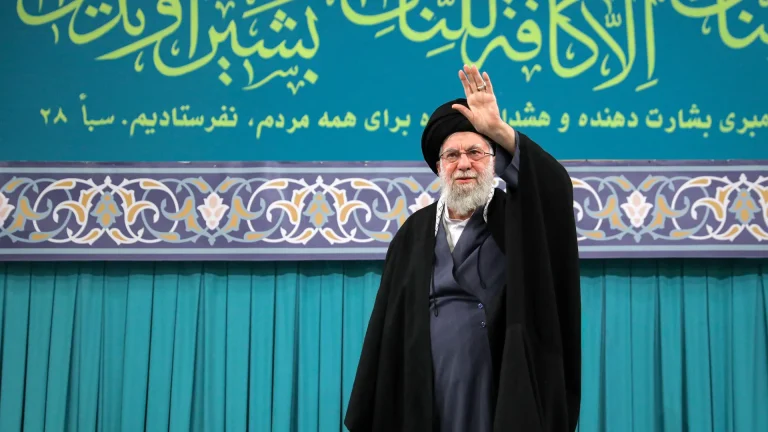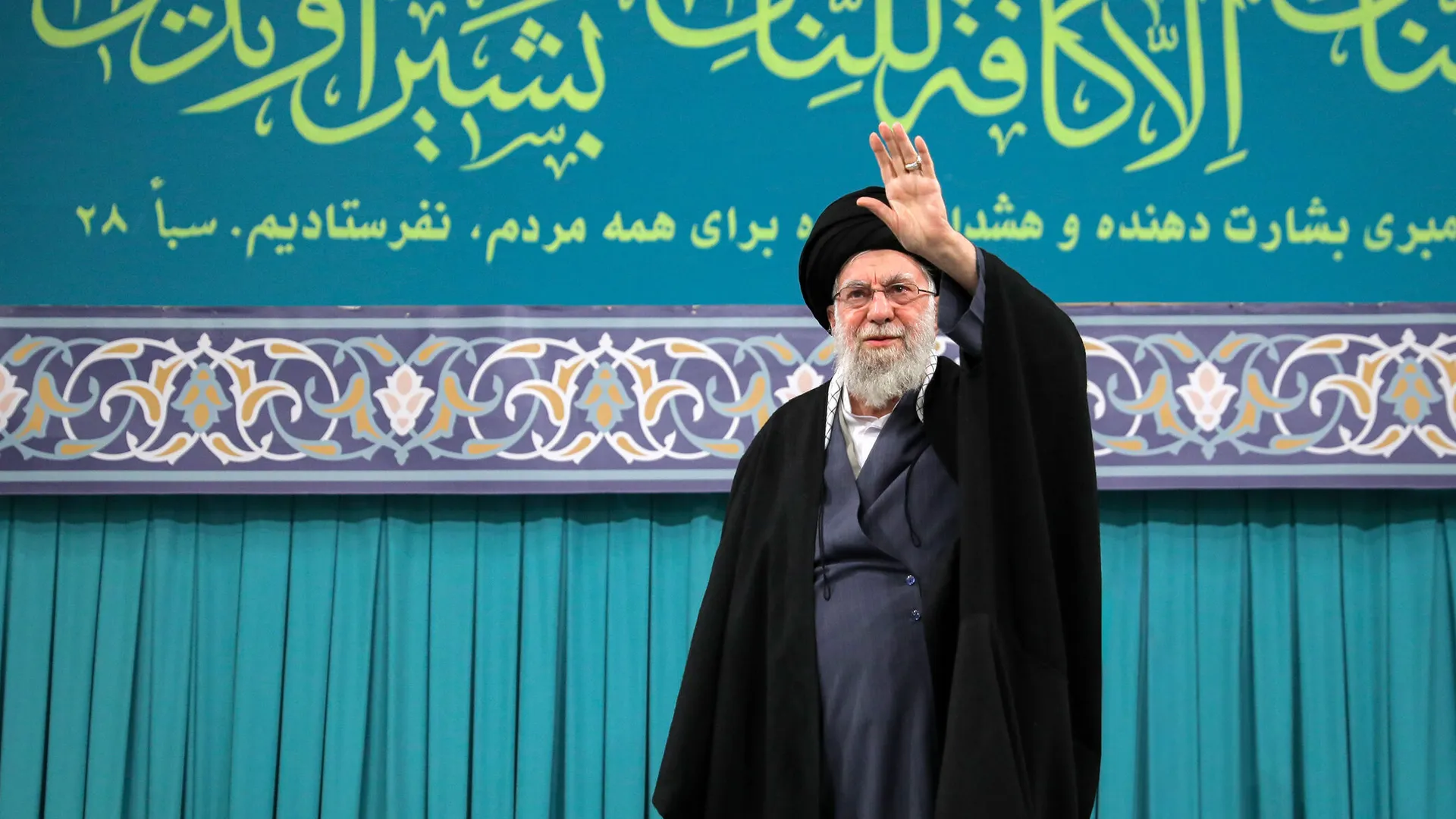
Iran’s supreme leader, Ayatollah Ali Khamenei, has been confirmed dead, and this marks one of the most consequential moments in the Islamic Republic’s history. Multiple major international outlets report that he was killed during joint U.S.–Israeli strikes on Tehran. This is not speculation—Iranian state media itself has confirmed his death, and a national mourning period has been declared.
What happened
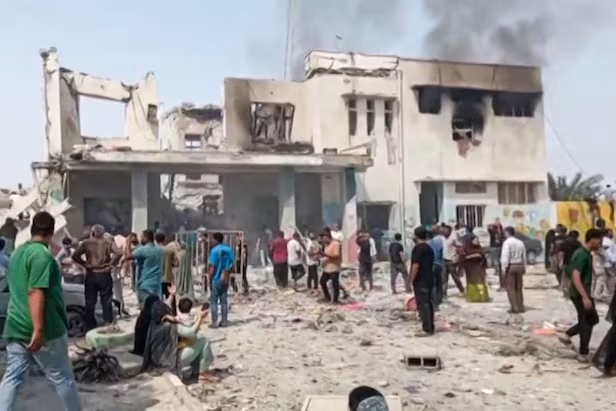
- U.S. and Israeli forces launched coordinated strikes on Iranian targets during a major escalation of the regional conflict.
- One of the strikes hit Khamenei’s compound, and both Israeli officials and later Iranian state TV confirmed he was killed.
- President Trump publicly announced that Khamenei had been killed in the attack, calling it a major blow to Iran’s leadership.
- Iran has declared a 40‑day mourning period, signalling the gravity of the event.
Why is this historically significant
Khamenei ruled Iran for nearly four decades, succeeding Ayatollah Khomeini in 1989. His death is the most dramatic leadership shock Iran has experienced since the 1979 revolution.
Key implications:
1. Power vacuum and succession crisis
Iran’s political system is built around the supreme leader. His death creates:
- A sudden leadership void
- Intense internal competition among clerics, the IRGC, and political elites
- A risk of factional conflict over succession
2. Escalation of regional conflict
The strike that killed him occurred during a major U.S.–Israeli offensive. Iran has already:
- Fired missiles at Israel
- Targeted U.S. bases in Gulf states
This raises the risk of a broader regional war.
3. Domestic instability
Iran was already facing:
- Severe economic crisis
- Widespread protests
- Public anger at the government
The death of the supreme leader during foreign strikes could:
- Intensify unrest
- Trigger emergency security measures
- Deepen the regime’s legitimacy crisis
4. Uncertain future of Iran’s political system
Analysts note that killing Khamenei does not automatically mean regime change, but it destabilises the system at its core.
What comes next
Iran’s Assembly of Experts is constitutionally responsible for choosing a new supreme leader, but:
- The IRGC may assert control
- Hardline factions may push for a military-led transition
- Reformist or moderate voices may be sidelined
- Public unrest could influence the process
This is a moment of extreme uncertainty for Iran and the region.
About the Author