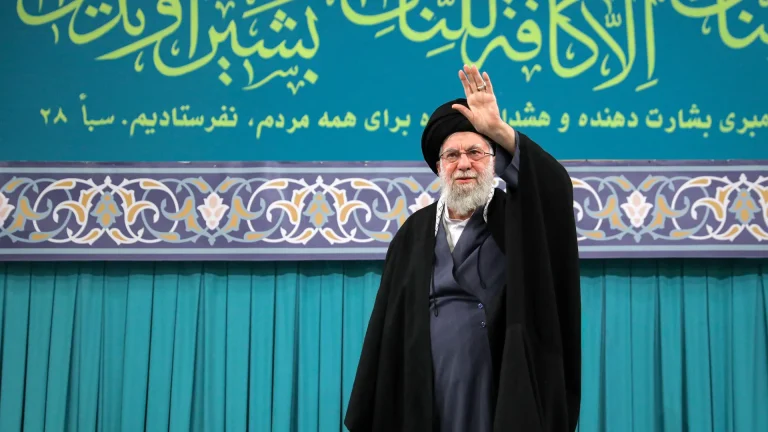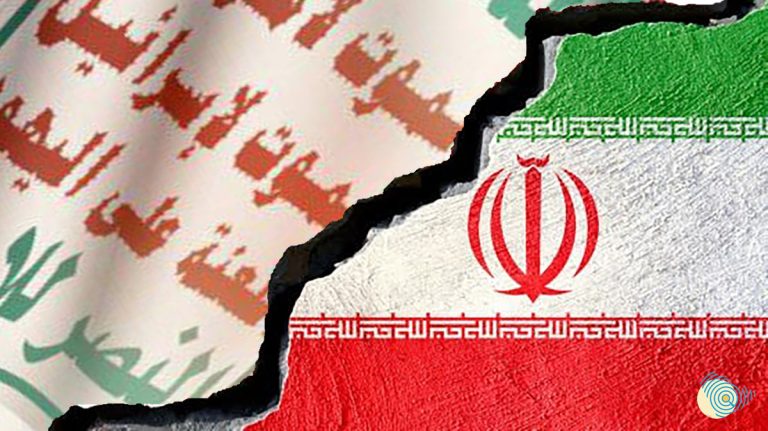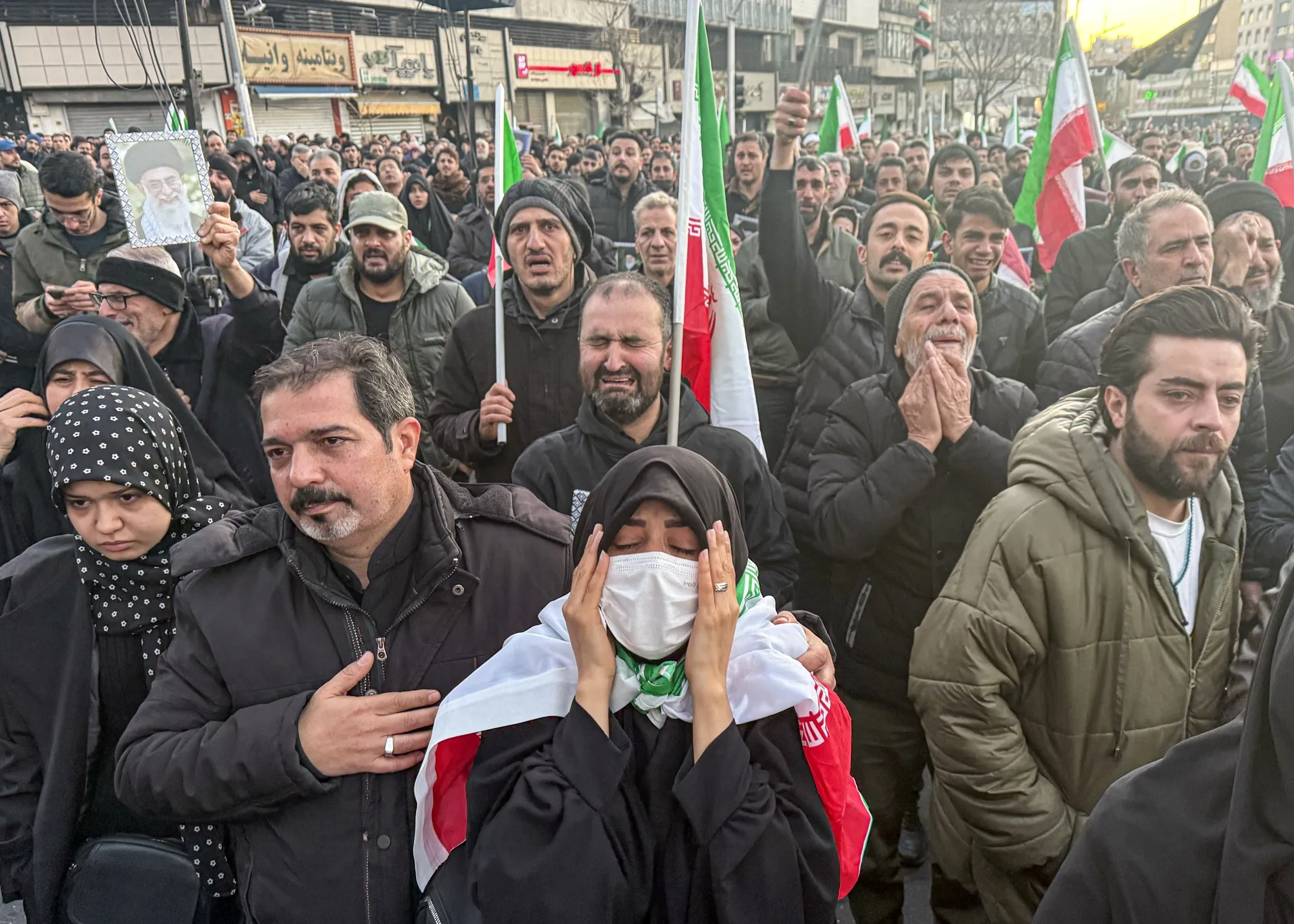
Iran’s unrest and economic crisis are tightly linked, and together they’ve created one of the most volatile periods the country has faced in decades. The core dynamic is simple but devastating: a collapsing economy triggered mass protests, which in turn evolved into a nationwide political uprising. The details below trace how these two crises feed each other and why they’ve become so hard for the government to contain.
How economic collapse ignited the unrest
The protests that erupted in late 2025 began with everyday economic pain. Several factors converged:
- Rapid depreciation of the rial made basic goods unaffordable for millions. The currency fell so fast that some trackers briefly displayed its value as “$0.00,” unable to keep up with the collapse.
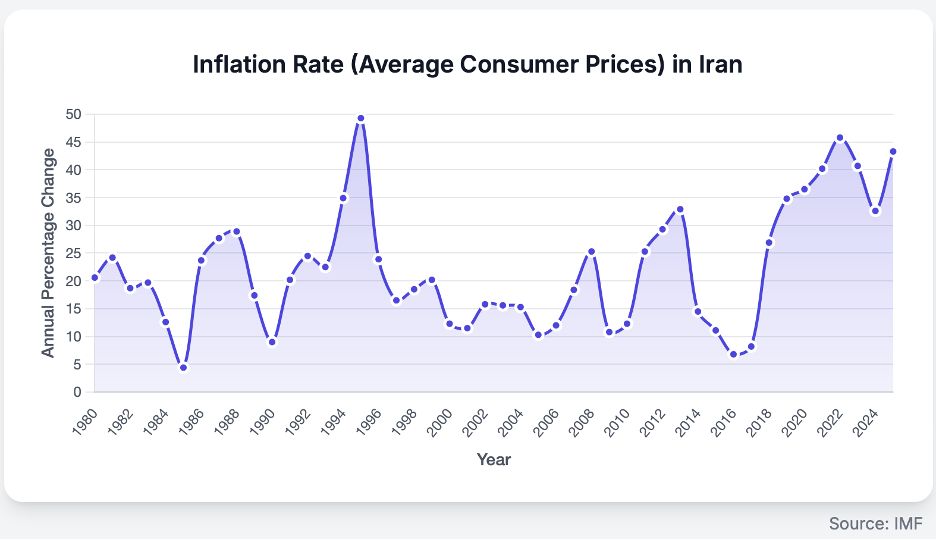
- Soaring inflation—over 40% heading into 2026—pushed food, rent, and fuel beyond reach for ordinary families.
- Widespread unemployment forced many Iranians to migrate internally in search of work, only to find that wages no longer covered basic living costs.
These pressures first triggered shopkeeper strikes in Tehran’s grand bazaar, a historically significant sign of economic revolt.
🔥 How unrest escalated into a national uprising
What began as economic frustration quickly transformed into a broader political challenge:
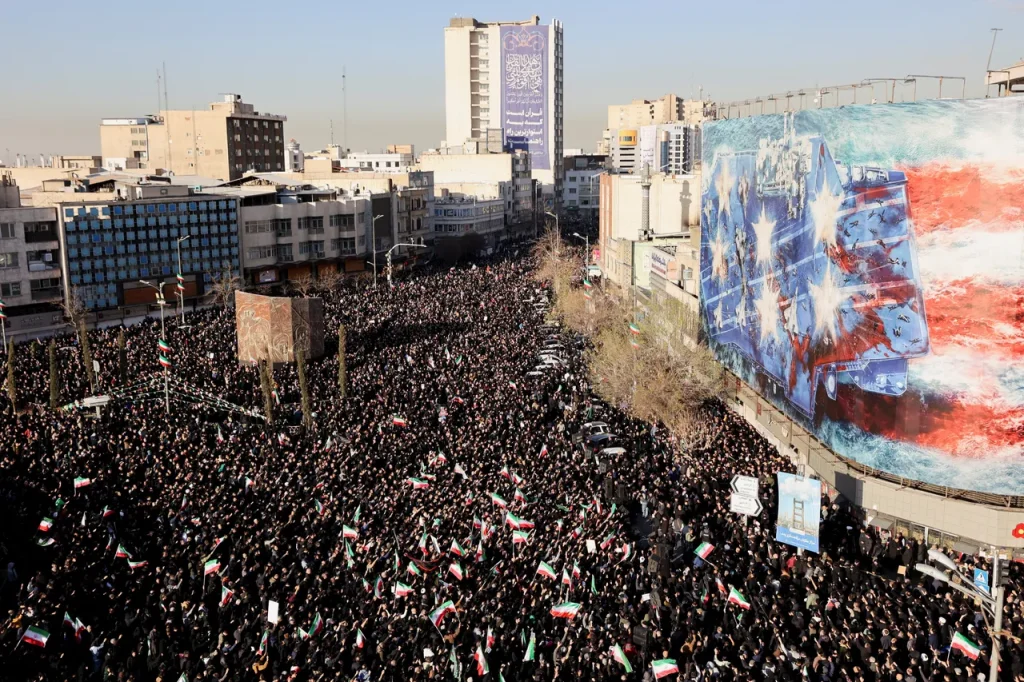
- The protests spread nationwide in late December 2025 after the currency collapse and inflation spike.
- Demonstrations shifted from economic demands to calls for the removal of the clerical establishment, marking a deeper legitimacy crisis for the Islamic Republic.
- The government responded with the harshest crackdowns in decades, including mass arrests and widespread use of force.
- Internet blackouts were imposed to slow mobilisation, but the movement had already spread across cities and provinces.
This cycle—economic collapse → protests → political uprising → crackdown—has become self-reinforcing.
📉 The economic situation entering 2026
By early 2026, Iran’s economy was under extreme strain:
- Inflation remained above 40%, with no sign of relief.
- Sanctions intensified, especially related to Iran’s nuclear program, further restricting trade and foreign currency access.
- Merchants kept their shops closed in protest, deepening the economic paralysis.
- Public services and wages lagged far behind prices, worsening poverty and fueling more anger.
The economic crisis is no longer just a trigger—it’s now a structural collapse affecting every layer of society.
How the unrest and economic crisis reinforce each other
These two crises are now intertwined:
- Economic collapse fuels protests, as people can’t afford necessities.
- Protests fuel political instability, discouraging investment and worsening sanctions.
- Instability accelerates currency collapse, creating more inflation.
- Government crackdowns disrupt business, deepening the economic downturn.
This feedback loop is why Iran’s situation is so difficult to stabilise.
What this means for Iran’s near future
Iran enters 2026 facing:
- A legitimacy crisis for the government
- A population under severe economic stress
- A protest movement that has evolved beyond economic demands
- No clear path to economic recovery without major political or diplomatic shifts
The unrest is unlikely to fade as long as the economic crisis continues—and the economic crisis cannot improve without addressing the political unrest.
About the Author